




What is the galvanic corrosion potential of 304 stainless tubing?
 Jul 29, 2025|
Galvanic corrosion, a common yet complex phenomenon in the field of metallurgy, plays a crucial role in determining the longevity and performance of various metal components. As a reputable supplier of 304 stainless tubing, I often encounter inquiries about the galvanic corrosion potential of 304 stainless tubing. In this blog post, I aim to provide a comprehensive overview of this topic, shedding light on the factors that influence the galvanic corrosion potential of 304 stainless tubing and its implications for practical applications.
Understanding Galvanic Corrosion
Galvanic corrosion occurs when two dissimilar metals are in electrical contact in the presence of an electrolyte, such as water or a salt solution. This creates an electrochemical cell, where one metal acts as the anode and the other as the cathode. The anode undergoes oxidation, resulting in the dissolution of metal ions into the electrolyte, while the cathode remains relatively protected. The driving force behind this process is the difference in the electrochemical potential between the two metals, known as the galvanic series.
Galvanic Series and 304 Stainless Steel
The galvanic series is a list of metals and alloys arranged in order of their relative electrochemical potential in a specific environment. Metals higher in the series are more likely to act as anodes and corrode, while those lower in the series are more likely to act as cathodes and remain protected. 304 stainless steel, a popular choice for various applications due to its excellent corrosion resistance, good formability, and high strength, is relatively noble in the galvanic series. However, its position can vary depending on the specific environment and the presence of other metals.
In general, 304 stainless steel has a relatively low galvanic corrosion potential compared to many other common metals, such as carbon steel, aluminum, and copper. This means that it is less likely to act as an anode and corrode when in contact with these metals. However, if 304 stainless steel is in contact with a more noble metal, such as titanium or platinum, it may act as an anode and experience accelerated corrosion.
Factors Affecting the Galvanic Corrosion Potential of 304 Stainless Tubing
Several factors can influence the galvanic corrosion potential of 304 stainless tubing, including:
- Environment: The composition and properties of the electrolyte, such as pH, temperature, and the presence of dissolved oxygen and other contaminants, can significantly affect the galvanic corrosion potential of 304 stainless steel. For example, in a highly acidic or alkaline environment, the corrosion rate of 304 stainless steel may increase, especially if it is in contact with a more active metal.
- Surface Condition: The surface condition of 304 stainless tubing, including its finish, cleanliness, and the presence of any scratches or defects, can also affect its galvanic corrosion potential. A smooth, clean surface is less likely to promote the formation of an electrochemical cell and reduce the risk of galvanic corrosion.
- Contact Area: The ratio of the anode to cathode surface area can have a significant impact on the galvanic corrosion rate. A larger anode surface area relative to the cathode surface area can result in a higher corrosion rate, as more metal is available for oxidation.
- Electrical Conductivity: The electrical conductivity of the materials in contact and the electrolyte can affect the flow of electrons between the anode and cathode, thereby influencing the galvanic corrosion rate. A higher electrical conductivity can result in a faster corrosion rate.
Implications for Practical Applications
Understanding the galvanic corrosion potential of 304 stainless tubing is essential for ensuring its long-term performance and reliability in various applications. In many cases, 304 stainless tubing can be used in combination with other metals without significant risk of galvanic corrosion, especially if the appropriate precautions are taken. However, in certain environments or applications where the risk of galvanic corrosion is high, additional measures may be necessary to prevent or minimize corrosion.

Some practical strategies for preventing or reducing galvanic corrosion in 304 stainless tubing include:
- Material Selection: Choose materials with similar electrochemical potentials to minimize the risk of galvanic corrosion. For example, if 304 stainless tubing is to be used in contact with another metal, select a metal that is close to 304 stainless steel in the galvanic series.
- Insulation: Use insulating materials, such as gaskets, sleeves, or coatings, to separate 304 stainless tubing from other metals and prevent electrical contact. This can effectively reduce the risk of galvanic corrosion.
- Cathodic Protection: Apply cathodic protection techniques, such as sacrificial anodes or impressed current systems, to protect 304 stainless tubing from galvanic corrosion. These methods work by providing a more active metal (sacrificial anode) or an external electrical current to counteract the corrosion process.
- Regular Inspection and Maintenance: Regularly inspect 304 stainless tubing for signs of corrosion and take appropriate action if necessary. This may include cleaning, repairing any damaged areas, or replacing corroded components.
Our High - Quality 304 Stainless Tubing Products
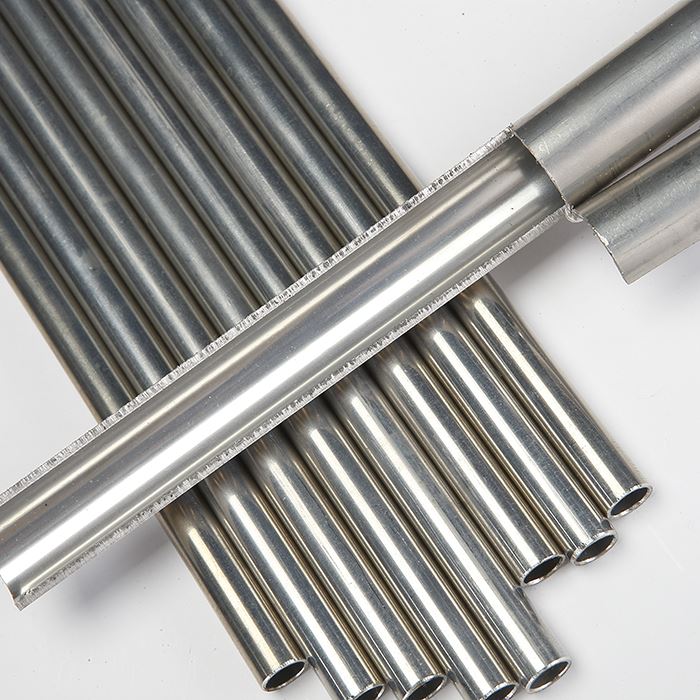
As a leading supplier of 304 stainless tubing, we offer a wide range of high - quality products to meet the diverse needs of our customers. Our products include Ultra Clean Stainless Steel Tube, which is designed for applications requiring high levels of cleanliness and purity, High Precision Stainless Steel Tubing, known for its tight tolerances and excellent dimensional accuracy, and Sanitary Stainless Steel Tubing, which is suitable for use in the food, beverage, and pharmaceutical industries.
All our 304 stainless tubing products are manufactured using advanced production techniques and strict quality control measures to ensure their high performance and reliability. We also provide professional technical support and after - sales service to help our customers select the most suitable products for their applications and address any issues they may encounter.
Conclusion
The galvanic corrosion potential of 304 stainless tubing is an important consideration in many applications. While 304 stainless steel generally has a relatively low galvanic corrosion potential compared to many other metals, several factors can influence its corrosion behavior. By understanding these factors and taking appropriate precautions, such as proper material selection, insulation, cathodic protection, and regular maintenance, the risk of galvanic corrosion can be effectively minimized.
If you are interested in our 304 stainless tubing products or have any questions about galvanic corrosion and its prevention, please feel free to contact us. Our team of experts is ready to assist you in finding the best solutions for your specific needs.
References
- Fontana, M. G., & Greene, N. D. (1967). Corrosion Engineering. McGraw - Hill.
- Uhlig, H. H., & Revie, R. W. (1985). Corrosion and Corrosion Control. Wiley - Interscience.
- ASTM International. (2021). Standard Test Methods for Conducting Cyclic Galvanic Corrosion Tests in Seawater. ASTM G82.