




How to cut Stainless Steel 316l Pipe?
 Jan 21, 2026|
 As a trusted supplier of Stainless Steel 316l Pipe, I understand the importance of knowing how to cut this type of pipe effectively. Stainless Steel 316l Pipe is widely used in various industries due to its excellent corrosion resistance, high strength, and good weldability. Whether you're a professional in the construction, manufacturing, or plumbing industry, or a DIY enthusiast working on a home project, mastering the art of cutting Stainless Steel 316l Pipe is essential. In this blog post, I'll share some valuable insights and techniques to help you cut Stainless Steel 316l Pipe like a pro.
Understanding Stainless Steel 316l Pipe
Before we dive into the cutting process, it's crucial to understand the characteristics of Stainless Steel 316l Pipe. The "316l" in the name refers to a specific grade of stainless steel. The "316" indicates the basic alloy composition, which includes chromium, nickel, and molybdenum. The "l" stands for low carbon, which makes the pipe more resistant to intergranular corrosion, especially in welded areas.
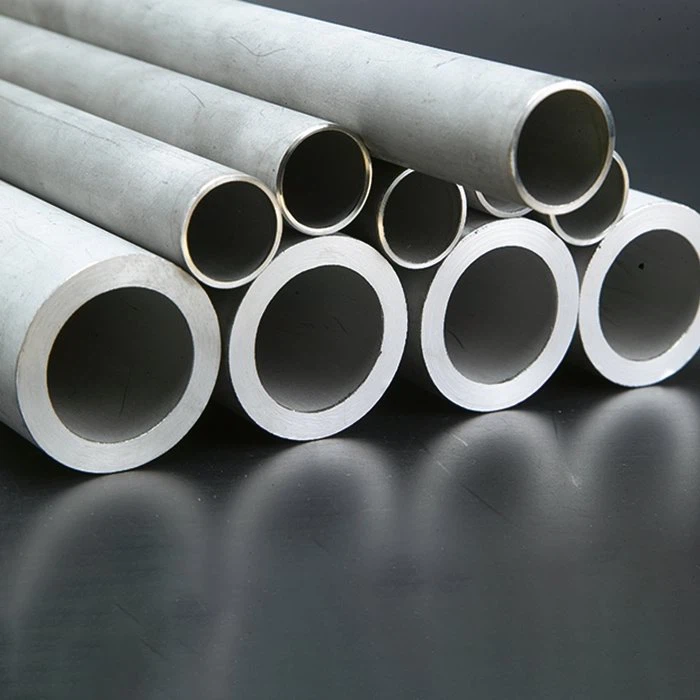
Stainless Steel 316l Pipe is commonly used in applications where corrosion resistance is a top priority, such as in chemical processing plants, food and beverage industries, marine environments, and medical equipment. It has a smooth surface finish, which makes it suitable for applications where hygiene is important.

Tools Required for Cutting Stainless Steel 316l Pipe
To cut Stainless Steel 316l Pipe, you'll need the right tools. Here are some of the essential tools you should have:
- Hacksaw: A hacksaw is a basic tool that can be used for cutting small-diameter Stainless Steel 316l Pipe. It's a manual tool that requires physical effort, but it's relatively inexpensive and easy to use. Make sure to use a hacksaw blade designed for cutting stainless steel, as regular blades may not be able to cut through the hard material effectively.
- Angle Grinder: An angle grinder is a powerful tool that can be used for cutting larger-diameter Stainless Steel 316l Pipe. It uses a rotating abrasive disc to cut through the pipe. Angle grinders are available in different sizes and power ratings, so choose one that's suitable for the size of the pipe you're cutting. Make sure to wear appropriate safety gear, such as goggles, gloves, and a dust mask, when using an angle grinder.
- Pipe Cutter: A pipe cutter is a specialized tool designed for cutting pipes. It works by squeezing the pipe between two cutting wheels, which gradually cut through the pipe as the cutter is rotated around it. Pipe cutters are available in different sizes to accommodate different pipe diameters. They're relatively easy to use and can provide a clean, precise cut.
- Band Saw: A band saw is a power tool that uses a continuous band of toothed metal to cut through the pipe. It's suitable for cutting large-diameter Stainless Steel 316l Pipe and can provide a smooth, straight cut. Band saws are available in different sizes and configurations, so choose one that's suitable for the size and type of pipe you're cutting.
Cutting Techniques
Once you have the right tools, it's time to start cutting the Stainless Steel 316l Pipe. Here are some cutting techniques you can use:
- Marking the Pipe: Before you start cutting, it's important to mark the pipe where you want to make the cut. You can use a measuring tape and a marker to mark the pipe accurately. Make sure to mark the pipe on both sides to ensure a straight cut.
- Securing the Pipe: To prevent the pipe from moving during the cutting process, it's important to secure it firmly. You can use a vise or a pipe clamp to hold the pipe in place. Make sure the pipe is centered and level in the vise or clamp to ensure a straight cut.
- Cutting with a Hacksaw: If you're using a hacksaw, start by positioning the blade at the marked line on the pipe. Apply gentle pressure and start sawing back and forth. Use long, smooth strokes and keep the blade perpendicular to the pipe. It may take some time and effort to cut through the pipe, especially if it's thick. Make sure to use a sharp blade and replace it if it becomes dull.
- Cutting with an Angle Grinder: If you're using an angle grinder, start by attaching a cutting disc designed for cutting stainless steel to the grinder. Position the grinder at the marked line on the pipe and apply gentle pressure. Start the grinder and slowly move it along the marked line, keeping the disc perpendicular to the pipe. Make sure to wear appropriate safety gear, such as goggles, gloves, and a dust mask, to protect yourself from flying debris.
- Cutting with a Pipe Cutter: If you're using a pipe cutter, position the cutter around the pipe at the marked line. Tighten the cutter until the cutting wheels are firmly in contact with the pipe. Rotate the cutter around the pipe, applying gentle pressure as you go. The cutting wheels will gradually cut through the pipe. Keep rotating the cutter until the pipe is completely cut through.
- Cutting with a Band Saw: If you're using a band saw, adjust the blade tension and speed according to the thickness and diameter of the pipe. Position the pipe on the saw table and align it with the blade. Lower the blade onto the pipe and start the saw. Slowly feed the pipe into the blade, keeping it straight and level. Make sure to use a coolant or lubricant to prevent the blade from overheating and to ensure a smooth cut.
Safety Precautions
Cutting Stainless Steel 316l Pipe can be dangerous if proper safety precautions are not taken. Here are some safety tips to keep in mind:
- Wear Safety Gear: Always wear appropriate safety gear, such as goggles, gloves, a dust mask, and ear protection. This will protect you from flying debris, sparks, and noise.
- Work in a Well-Ventilated Area: Cutting stainless steel can produce harmful fumes and dust. Make sure to work in a well-ventilated area to avoid inhaling these fumes and dust.
- Secure the Pipe Properly: As mentioned earlier, make sure to secure the pipe firmly before cutting it. This will prevent the pipe from moving and causing accidents.
- Use the Right Tools: Make sure to use the right tools for the job. Using the wrong tools can damage the pipe and increase the risk of accidents.
- Follow the Manufacturer's Instructions: Read and follow the manufacturer's instructions for the tools you're using. This will ensure that you're using the tools correctly and safely.
Finishing the Cut
After you've cut the Stainless Steel 316l Pipe, you may need to finish the cut to remove any burrs or rough edges. You can use a file or sandpaper to smooth the edges of the cut. Make sure to wear gloves when handling the pipe to avoid getting cut by the sharp edges.
If you're using the pipe for a specific application, you may need to perform additional finishing operations, such as deburring, chamfering, or polishing. These operations will depend on the requirements of the application.
Choosing the Right Supplier
As a Stainless Steel 316l Pipe supplier, I understand the importance of providing high-quality products and excellent customer service. When choosing a supplier for your Stainless Steel 316l Pipe needs, make sure to consider the following factors:
- Quality: Look for a supplier that offers high-quality Stainless Steel 316l Pipe that meets the relevant industry standards. The pipe should be made from high-quality materials and have a smooth surface finish.
- Range of Products: Choose a supplier that offers a wide range of Stainless Steel 316l Pipe sizes and specifications. This will ensure that you can find the right pipe for your specific application.
- Customer Service: Look for a supplier that provides excellent customer service. They should be able to answer your questions, provide technical support, and deliver the products on time.
- Price: Compare the prices of different suppliers to ensure that you're getting a competitive price for the Stainless Steel 316l Pipe. However, don't compromise on quality for the sake of price.
Conclusion
Cutting Stainless Steel 316l Pipe requires the right tools, techniques, and safety precautions. By following the tips and techniques outlined in this blog post, you can cut Stainless Steel 316l Pipe like a pro. Remember to choose the right tools for the job, wear appropriate safety gear, and follow the manufacturer's instructions.
If you're in the market for Stainless Steel 316l Pipe, Duplex Stainless Steel Pipe, or other Stainless Steel Pipe products, we're here to help. We're a trusted supplier of high-quality stainless steel pipes, and we offer a wide range of products to meet your specific needs. Contact us today to discuss your requirements and get a quote.
References
- ASM Handbook, Volume 13A: Corrosion, ASM International
- Stainless Steel World Handbook, KCI Publishing
- Welding Stainless Steels and Other Joining Methods, The James F. Lincoln Arc Welding Foundation