




What is the bending radius for Monel steel pipe?
 Jul 22, 2025|
 Hey there! As a supplier of Monel steel pipes, I often get asked about the bending radius for these pipes. It's a crucial question, especially for those who are planning to use Monel steel pipes in various applications. So, let's dive right into it and explore what the bending radius for Monel steel pipes really means.
First off, what's Monel steel pipe? Monel is a group of nickel - copper alloys that are known for their excellent corrosion resistance, high strength, and good ductility. These pipes are used in a wide range of industries, such as marine, chemical processing, and oil and gas. The unique properties of Monel make it a top - choice material when you need pipes that can withstand harsh environments.
Now, let's talk about the bending radius. The bending radius of a pipe refers to the minimum radius at which the pipe can be bent without causing any significant damage to the pipe's structure, like cracking or wrinkling. It's an important parameter because it determines how flexible the pipe can be during installation.
The bending radius for Monel steel pipes isn't a one - size - fits - all value. It depends on several factors. One of the main factors is the pipe's diameter. Generally speaking, larger - diameter pipes require a larger bending radius. For instance, a small - diameter Monel pipe, say one with a diameter of 1 inch, might be able to tolerate a relatively smaller bending radius compared to a 6 - inch diameter pipe.
The wall thickness of the pipe also plays a huge role. Thicker - walled pipes are usually stiffer and thus need a larger bending radius. If you try to bend a thick - walled Monel pipe at too small a radius, there's a high risk of the pipe cracking on the outer side of the bend or wrinkling on the inner side.
Another significant factor is the type of Monel alloy. Different Monel alloys have different mechanical properties. For example, Monel 400 is one of the most common alloys. It has good ductility, which means it can be bent with a relatively smaller radius compared to some other, more brittle Monel alloys.
In the industry, there are some general guidelines for determining the bending radius. A common rule of thumb is that the minimum bending radius for Monel steel pipes is often around 3 to 5 times the pipe's outside diameter. But this is just a rough estimate. For critical applications, it's always best to consult the manufacturer's specifications or conduct some test bends.
When it comes to the bending process itself, there are different methods. Cold bending is a popular option. In cold bending, the pipe is bent at room temperature. This method is relatively simple and cost - effective. However, it might require a larger bending radius, especially for thicker - walled pipes, because the pipe material is less malleable at room temperature.
Hot bending, on the other hand, involves heating the pipe to a specific temperature before bending. Heating the pipe makes it more malleable, allowing for a smaller bending radius. But hot bending requires special equipment and more expertise to ensure that the heating is uniform and that the pipe doesn't lose its desired properties during the process.
If you're in the market for Monel steel pipes, you might also be interested in related products like Stainless Nickel Pipe, Stainless Nickel Alloy Piping, and Stainless Steel Nickel Pipe. These products offer similar corrosion - resistant properties and can be used in various applications.
As a Monel steel pipe supplier, I've seen firsthand how important it is to get the bending radius right. A wrong bending radius can lead to costly delays during installation, not to mention potential safety hazards. That's why we always provide detailed technical support to our customers. We can help you figure out the appropriate bending radius based on your specific requirements.
If you're planning a project that involves Monel steel pipes, don't hesitate to reach out. We can offer high - quality Monel steel pipes along with expert advice on bending and installation. Whether you're a contractor working on a large - scale industrial project or a DIY enthusiast, we've got you covered.
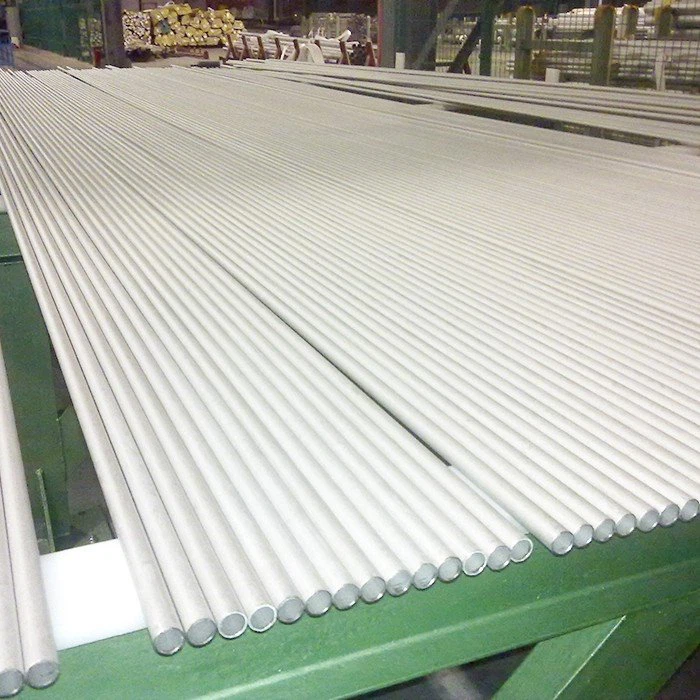

In conclusion, understanding the bending radius for Monel steel pipes is essential for a successful installation. It's a complex parameter that depends on multiple factors such as pipe diameter, wall thickness, and the type of Monel alloy. By taking these factors into account and following the right bending procedures, you can ensure that your Monel steel pipes perform well in your project.
If you have any questions or need to discuss your Monel steel pipe requirements, feel free to get in touch. We're here to help you make the best choices for your project.
References:
- "Handbook of Nickel and Its Alloys" by George E. Totten and D. Scott MacKenzie
- Industry standards and guidelines for Monel pipe manufacturing and installation.