




What are the aging effects on Ss 316l Stainless Steel?
 Jun 05, 2025|
 Hey there! As a supplier of Ss 316l Stainless Steel, I've seen firsthand how aging can impact this popular material. In this blog, I'll share with you what those aging effects are and why they matter.
What is Ss 316l Stainless Steel?
First off, let's quickly go over what Ss 316l Stainless Steel is. It's a low-carbon version of 316 stainless steel, which is known for its excellent corrosion resistance, especially in environments that contain chloride ions. The "l" in 316l stands for "low carbon," and this low carbon content helps prevent sensitization during welding, which can lead to corrosion in the heat-affected zones. Ss 316l is commonly used in a wide range of applications, including food processing, pharmaceuticals, marine equipment, and architectural structures.
Aging Effects on Ss 316l Stainless Steel
1. Corrosion Resistance Changes
One of the most significant aging effects on Ss 316l Stainless Steel is related to its corrosion resistance. Over time, exposure to various environmental factors can cause changes in the protective passive film on the surface of the steel. This passive film is what gives stainless steel its corrosion-resistant properties.
-
Pitting Corrosion: In chloride-rich environments, such as coastal areas or swimming pools, pitting corrosion can occur. As the steel ages, the passive film may become more vulnerable to breakdown, allowing chloride ions to penetrate the surface and initiate small pits. These pits can grow over time and eventually lead to the failure of the component. For example, in a marine application, aging Ss 316l pipes used for seawater intake may start to develop pits, which can compromise the integrity of the piping system.
-
Crevice Corrosion: Crevice corrosion can also be an issue with aging Ss 316l. Crevices, such as those between flanges or under gaskets, can trap stagnant solutions. As the steel ages, the chemical environment within these crevices can change, leading to the breakdown of the passive film and the initiation of corrosion. This type of corrosion can be particularly problematic in applications where tight seals are required, like in food processing equipment.
-
Stress Corrosion Cracking (SCC): SCC is a form of corrosion that occurs when a combination of tensile stress, a specific corrosive environment, and a susceptible material are present. As Ss 316l ages, it may become more prone to SCC. For instance, in a stressed Ss 316l component in a chemical processing plant, aging can increase the risk of SCC, especially if the component is exposed to aggressive chemicals.
2. Mechanical Property Degradation
Aging can also have an impact on the mechanical properties of Ss 316l Stainless Steel.
- Hardness and Brittleness: Over time, Ss 316l may experience changes in hardness. In some cases, it can become harder and more brittle. This can be a concern in applications where the material needs to withstand impact or bending. For example, in a structural application, an aging Ss 316l beam that has become brittle may be more likely to fracture under load.
- Tensile Strength and Ductility: The tensile strength and ductility of Ss 316l can also be affected by aging. Generally, as the steel ages, its ductility may decrease, meaning it can deform less before breaking. This can be a problem in applications where the material needs to undergo some degree of deformation during installation or use, such as in the fabrication of architectural elements.
3. Microstructural Changes
The microstructure of Ss 316l Stainless Steel can change as it ages.
- Precipitation: During aging, certain phases may precipitate out of the steel matrix. These precipitates can affect the properties of the steel. For example, the precipitation of sigma phase can reduce the corrosion resistance and toughness of Ss 316l. Sigma phase formation is more likely to occur at elevated temperatures over long periods, which can be an issue in applications like heat exchangers.
- Grain Growth: Over time, the grains in the steel can grow larger. Grain growth can have a negative impact on the mechanical properties of the steel, such as reducing its strength and toughness. This is especially true in applications where fine-grained structure is desired for optimal performance, like in high-performance aerospace components.
How to Mitigate Aging Effects
1. Proper Maintenance
Regular maintenance is crucial for minimizing the aging effects on Ss 316l Stainless Steel. This includes cleaning the surface to remove dirt, debris, and corrosive substances. For example, in a food processing plant, regular cleaning of Ss 316l equipment can help prevent the buildup of contaminants that could accelerate corrosion.

2. Coatings and Linings
Applying protective coatings or linings can provide an additional layer of protection against corrosion. There are various types of coatings available, such as epoxy coatings or ceramic coatings, that can enhance the corrosion resistance of aging Ss 316l. For instance, in a marine application, a coating can help shield the steel from the harsh saltwater environment.
3. Monitoring and Inspection
Regular monitoring and inspection of Ss 316l components can help detect aging effects early. Non-destructive testing methods, such as ultrasonic testing or magnetic particle testing, can be used to detect internal defects or changes in the material. This allows for timely repairs or replacements to prevent further damage.
Why Choose Our Ss 316l Stainless Steel
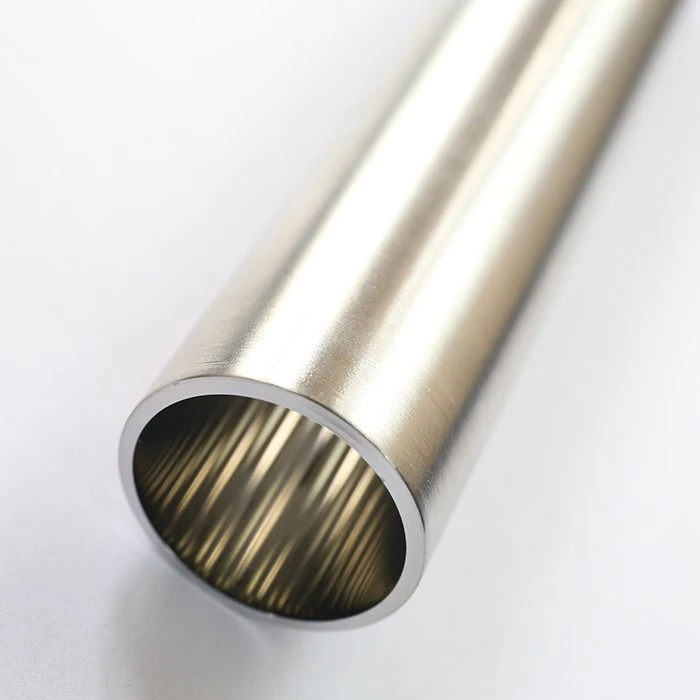
At our company, we understand the importance of providing high-quality Ss 316l Stainless Steel that can withstand the test of time. We source our steel from reputable manufacturers and conduct strict quality control checks to ensure that it meets the highest standards. Our Ss 316l products are available in a variety of forms, including 316 Stainless Steel Sanitary Tubing, Bright Annealed Stainless Steel Tube, and Food Grade Stainless Steel Tubing.
We also offer technical support to help our customers select the right product for their specific applications and provide advice on how to minimize the aging effects. Whether you're a small business looking for a few tubes or a large corporation in need of a bulk order, we're here to meet your needs.
Conclusion
In conclusion, aging can have several effects on Ss 316l Stainless Steel, including changes in corrosion resistance, mechanical properties, and microstructure. However, with proper maintenance, protective measures, and the use of high-quality materials, these effects can be minimized. If you're in the market for Ss 316l Stainless Steel, don't hesitate to reach out to us. We'd love to discuss your requirements and help you find the perfect solution for your project.
References
- ASM Handbook, Volume 13A: Corrosion: Fundamentals, Testing, and Protection. ASM International.
- Stainless Steel World magazine articles on aging and corrosion of stainless steels.
- Technical literature from stainless steel manufacturers.