




How does the carbon content affect the properties of Ss 316l Stainless Steel?
 Jan 02, 2026|
 Hey there! I'm a supplier of Ss 316l Stainless Steel, and today I wanna chat about how the carbon content affects the properties of this awesome material.
Let's start with a bit of background. Ss 316l Stainless Steel is a popular choice in many industries, thanks to its great corrosion resistance, good weldability, and high strength. But did you know that the carbon content in this steel can play a huge role in determining its properties?
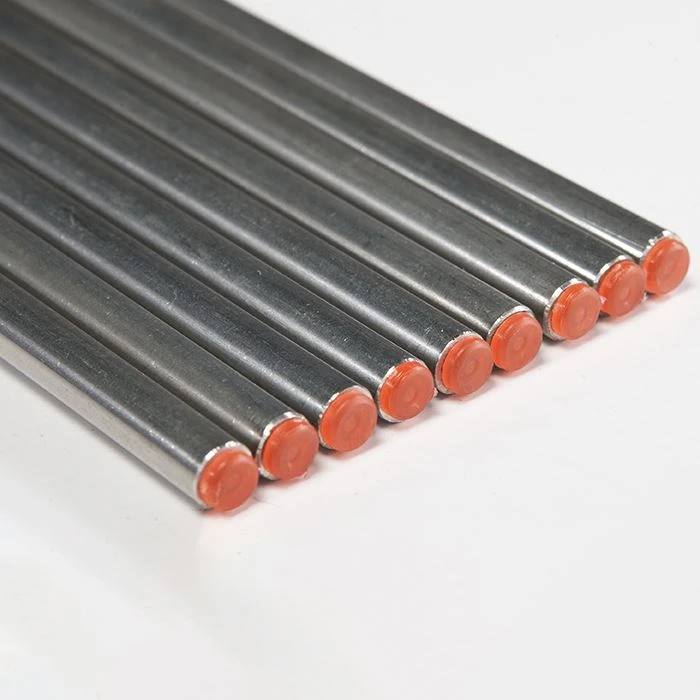
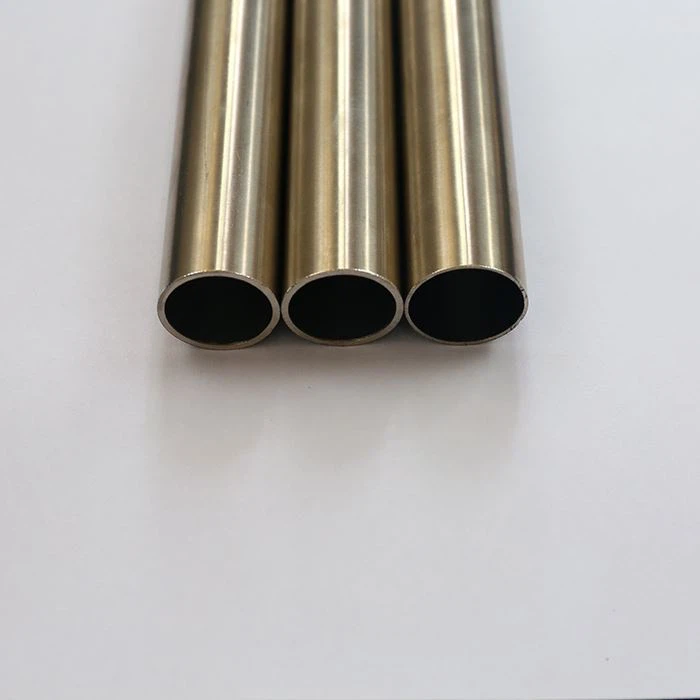
First off, let's talk about what carbon does in stainless steel. Carbon is a key alloying element that can have a significant impact on the steel's strength, hardness, and ductility. In Ss 316l Stainless Steel, the carbon content is kept relatively low, usually around 0.03% or less. This low carbon content is what gives 316l its “l” designation, which stands for “low carbon.”
One of the main benefits of having a low carbon content in Ss 316l is its excellent corrosion resistance. When stainless steel is welded, the heat can cause the carbon to react with the chromium in the steel, forming chromium carbides. These carbides can deplete the chromium in the area around the weld, making it more susceptible to corrosion. By keeping the carbon content low, the formation of these chromium carbides is minimized, which helps to maintain the steel's corrosion resistance, even in welded joints.
For example, in applications where the stainless steel is exposed to harsh chemicals or corrosive environments, such as in the chemical processing industry or in marine environments, the low carbon of Ss 316l can make a huge difference. It can prevent the steel from rusting or corroding, which extends its lifespan and reduces the need for frequent replacements.
Another important property affected by carbon content is the steel's weldability. Low carbon Ss 316l is known for its excellent weldability. Since there's less carbon to form chromium carbides during welding, the risk of weld decay and cracking is significantly reduced. This makes it easier to weld the steel without having to worry too much about special welding techniques or post - weld heat treatments.
In industries where welding is a common process, like the construction of pipelines or the manufacturing of pressure vessels, the good weldability of Ss 316l is a major advantage. It allows for faster and more efficient production, which can save time and money.
Now, let's consider what happens if the carbon content is higher. If the carbon content in Ss 316l is increased, the steel will generally become stronger and harder. Carbon atoms can form interstitial solid solutions in the iron lattice, which strengthen the steel by impeding the movement of dislocations. However, this increase in strength and hardness comes at a cost.
As I mentioned earlier, higher carbon content increases the risk of chromium carbide formation during welding. This can lead to a decrease in corrosion resistance, especially in the heat - affected zone around the weld. Also, the steel may become more brittle, reducing its ductility. In applications where the steel needs to be formed or bent, high - carbon Ss 316l may not be the best choice because it's more likely to crack during these processes.
When it comes to other properties, like the steel's resistance to pitting and crevice corrosion, the carbon content also has an impact. Low - carbon Ss 316l generally has better resistance to these types of corrosion compared to higher - carbon versions. Pitting and crevice corrosion can occur in areas where there's a concentration of chloride ions, such as in seawater. The low carbon helps to maintain the passive film on the steel's surface, which acts as a barrier against corrosion.
Let's take a look at some real - world applications where the carbon content in Ss 316l matters. In the food and beverage industry, Ss 316l is widely used for equipment like storage tanks and processing machinery. The low carbon ensures that the steel won't contaminate the food products and that it can withstand the cleaning and sanitizing processes, which often involve corrosive chemicals.
In the medical field, Ss 316l is used for surgical instruments and implants. The excellent corrosion resistance and biocompatibility of low - carbon 316l make it a safe choice for these applications. The low risk of corrosion means that there's less chance of metal ions being released into the body, which could cause adverse reactions.
If you're in the market for stainless steel tubes, you might be interested in some of our other products. We also supply Duplex Stainless Steel Tube, Stainless Steel Exhaust Tube, and 304 Stainless Steel Tubing. Each of these products has its own unique properties and characteristics, but understanding the role of carbon content can help you make the best choice for your specific needs.
In conclusion, the carbon content in Ss 316l Stainless Steel has a profound influence on its properties. The low carbon content gives it excellent corrosion resistance, good weldability, and decent ductility, making it suitable for a wide range of applications. Whether you're in the chemical, food, medical, or any other industry that requires high - quality stainless steel, understanding how carbon affects the steel can help you select the right material.
If you're interested in purchasing Ss 316l Stainless Steel or have any questions about our products, feel free to reach out. We're here to help you find the perfect solution for your project.
References:
- ASM Handbook Volume 13A: Corrosion: Fundamentals, Testing, and Protection
- Welding Metallurgy and Weldability of Stainless Steels by John C. Lippold and David J. Kotecki