




Can steel seamless pipes be used in the food industry?
 Nov 05, 2025|
 Can steel seamless pipes be used in the food industry? That's a question I often get asked as a supplier of Steel Seamless Pipes. And let me tell you, the answer is a resounding yes! In this blog, I'm gonna break down why these pipes are a great fit for the food industry, the types that work best, and how they stack up against other options.
First off, let's talk about why steel seamless pipes are even considered for the food industry. One of the biggest advantages is their durability. Food processing environments can be tough, with constant exposure to water, chemicals, and high pressures. Seamless pipes are made from a single piece of metal, which means they don't have any weak points where seams could crack or leak. This makes them super reliable and long - lasting, reducing the need for frequent replacements.
Another key factor is hygiene. In the food industry, cleanliness is non - negotiable. Steel seamless pipes have a smooth interior surface, which makes it difficult for bacteria and other contaminants to stick. They're also easy to clean and sanitize, ensuring that the food products passing through them remain safe and free from harmful substances.
Now, let's look at some of the specific types of steel seamless pipes that are commonly used in the food industry.
The Seamless Steel Round Pipe is a popular choice. Its circular shape provides uniform flow of food products, whether it's liquids, semi - solids, or even gases. This helps in maintaining a consistent production process and prevents any blockages or uneven distribution. The seamless construction of these pipes also means there are no sharp edges or corners inside where food particles could get trapped.
Seamless Mechanical Pipe is another option. These pipes are known for their high strength and precision. In food processing plants, there are often complex machinery and equipment that require pipes to withstand high mechanical stresses. Seamless mechanical pipes can handle these demands, making them suitable for applications like conveyor systems and pumping stations.
Duplex Stainless Steel Pipe is a bit of a heavy - hitter in the food industry. It combines the best of both worlds: high corrosion resistance and excellent mechanical properties. The food industry often uses various chemicals for cleaning and processing, and duplex stainless steel pipes can resist the corrosive effects of these substances. This not only extends the lifespan of the pipes but also ensures that there's no contamination of the food products due to pipe corrosion.
But how do steel seamless pipes compare to other types of pipes in the food industry? Well, take welded pipes for example. Welded pipes have seams, which as I mentioned earlier, can be a weak point. These seams can also create rough spots on the interior surface, making it easier for bacteria to grow. Plastic pipes, on the other hand, may not be as durable as steel pipes. They can be prone to cracking, especially under high pressures or in extreme temperatures. And some plastics may leach chemicals into the food products, which is a big no - no in the food industry.
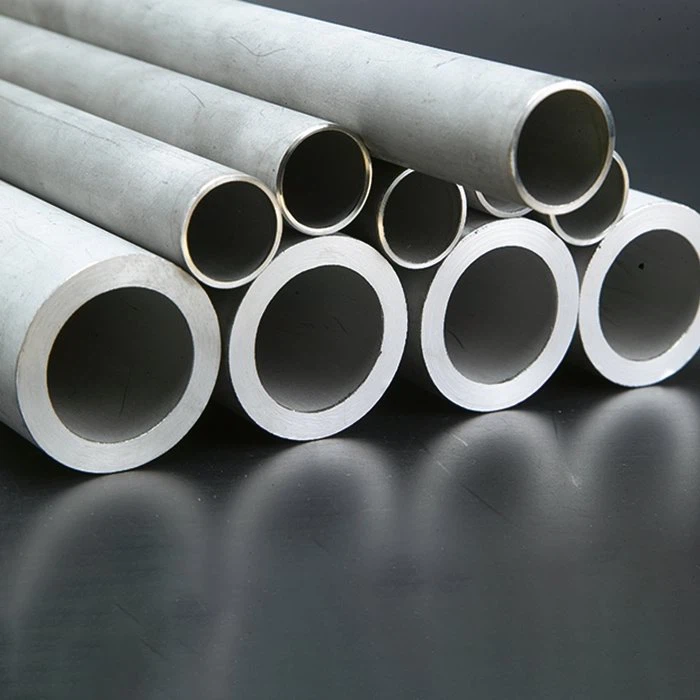

When it comes to installation, steel seamless pipes are relatively straightforward. They can be easily cut, bent, and joined using standard techniques. This means that food processing plants can quickly set up or modify their piping systems as needed, without having to deal with a lot of complicated procedures.
However, it's important to note that not all steel seamless pipes are created equal. When choosing pipes for the food industry, you need to make sure they meet the relevant industry standards. For example, they should be made from food - grade stainless steel, which is resistant to corrosion and doesn't contain any harmful elements. You also need to consider factors like the pipe's diameter, wall thickness, and pressure rating, depending on the specific application.
In addition to the technical aspects, cost is also a consideration. While steel seamless pipes may have a higher upfront cost compared to some other types of pipes, their long - term benefits often outweigh the initial investment. You'll save money in the long run on maintenance, replacement, and potential losses due to product contamination.
So, if you're in the food industry and looking for a reliable piping solution, steel seamless pipes are definitely worth considering. They offer durability, hygiene, and performance that are hard to beat. Whether you're running a small food processing unit or a large - scale manufacturing plant, these pipes can help you keep your operations running smoothly and your products safe.
If you're interested in learning more about our Steel Seamless Pipes or want to discuss your specific requirements, don't hesitate to reach out. We're here to help you find the perfect piping solution for your food industry needs. Let's start a conversation and see how we can work together to take your business to the next level.
References
- "Food Industry Piping Systems: Best Practices" - Industry Handbook
- "Stainless Steel in Food Processing" - Journal of Food Science and Technology