




What is the maximum wall thickness available for duplex stainless steel pipe?
 Jun 05, 2025|
 As a seasoned supplier of Duplex Stainless Steel Pipe, I've encountered numerous inquiries regarding the maximum wall thickness available for this remarkable material. In this blog post, I aim to shed light on this topic, exploring the factors that influence wall thickness, industry standards, and the practical considerations involved in selecting the appropriate wall thickness for your specific application.
Understanding Duplex Stainless Steel
Duplex stainless steel is a unique alloy that combines the best properties of austenitic and ferritic stainless steels. It offers high strength, excellent corrosion resistance, and good weldability, making it a popular choice for a wide range of applications, including oil and gas, chemical processing, and marine environments.
The duplex microstructure of this alloy consists of approximately equal amounts of austenite and ferrite, which provides a balance of mechanical and corrosion-resistant properties. This unique combination makes duplex stainless steel particularly suitable for applications where high strength and corrosion resistance are required, such as in offshore platforms, desalination plants, and chemical reactors.
Factors Influencing Wall Thickness
The maximum wall thickness available for duplex stainless steel pipe is influenced by several factors, including the manufacturing process, alloy composition, and application requirements. Let's take a closer look at each of these factors:
Manufacturing Process
The manufacturing process plays a crucial role in determining the maximum wall thickness of duplex stainless steel pipe. There are two primary methods for producing duplex stainless steel pipe: seamless and welded.
- Seamless Pipe: Seamless pipes are manufactured by piercing a solid billet of duplex stainless steel and then rolling it into a pipe. This process allows for the production of pipes with uniform wall thickness and excellent mechanical properties. The maximum wall thickness of seamless duplex stainless steel pipe is typically limited by the capacity of the piercing and rolling equipment. In general, seamless pipes can be produced with wall thicknesses ranging from a few millimeters to several centimeters, depending on the pipe diameter and manufacturing capabilities.
- Welded Pipe: Welded pipes are manufactured by welding together strips or plates of duplex stainless steel. This process is more flexible than the seamless process and allows for the production of pipes with larger diameters and thicker walls. However, the weld quality and integrity are critical factors in determining the maximum wall thickness of welded duplex stainless steel pipe. In general, welded pipes can be produced with wall thicknesses up to several inches, depending on the welding process and quality control measures.
Alloy Composition
The alloy composition of duplex stainless steel also affects the maximum wall thickness available. Different grades of duplex stainless steel have different chemical compositions and mechanical properties, which can influence the pipe's ability to withstand internal and external pressures.
- High-Strength Grades: High-strength grades of duplex stainless steel, such as S32750 (Duplex 2507) and S32760 (Super Duplex), are designed to provide excellent strength and corrosion resistance in demanding applications. These grades typically have higher alloy content and can withstand higher pressures and temperatures than standard duplex stainless steel grades. As a result, they can be used to produce pipes with thicker walls and larger diameters.
- Standard Grades: Standard grades of duplex stainless steel, such as S31803 (Duplex 2205), are widely used in a variety of applications due to their good balance of strength and corrosion resistance. These grades have lower alloy content and are typically used to produce pipes with thinner walls and smaller diameters.
Application Requirements
The application requirements also play a significant role in determining the maximum wall thickness of duplex stainless steel pipe. Different applications have different pressure, temperature, and corrosion resistance requirements, which can influence the choice of wall thickness.
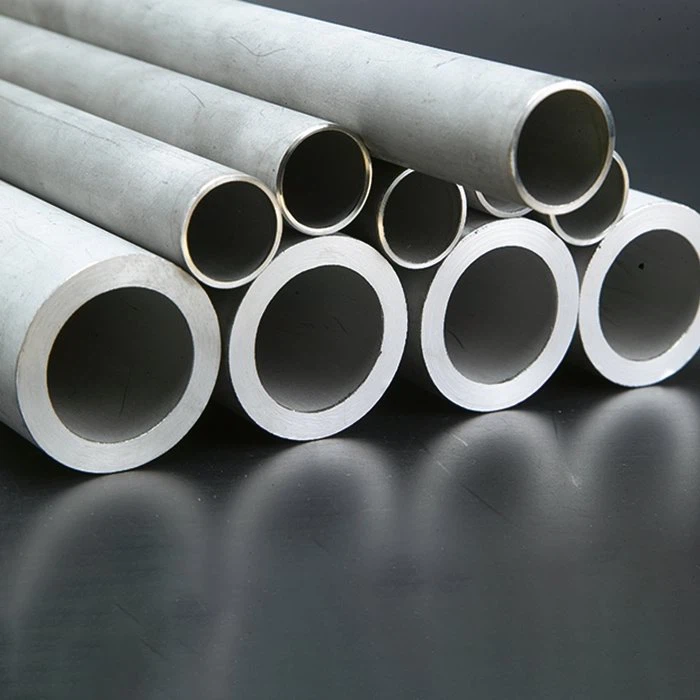

- High-Pressure Applications: In high-pressure applications, such as oil and gas pipelines and chemical reactors, the pipe must be able to withstand high internal pressures without bursting or leaking. As a result, pipes used in these applications typically have thicker walls to provide the necessary strength and integrity.
- Corrosive Environments: In corrosive environments, such as marine and chemical processing plants, the pipe must be able to resist corrosion and erosion. As a result, pipes used in these applications typically have thicker walls to provide a greater barrier against corrosion and to ensure a longer service life.
Industry Standards
The maximum wall thickness available for duplex stainless steel pipe is also influenced by industry standards and specifications. These standards provide guidelines for the design, manufacture, and testing of duplex stainless steel pipe to ensure its quality and performance.
- ASTM Standards: The American Society for Testing and Materials (ASTM) has developed a series of standards for duplex stainless steel pipe, including ASTM A790/A790M for seamless and welded ferritic/austenitic stainless steel pipe. These standards specify the chemical composition, mechanical properties, and dimensional tolerances for duplex stainless steel pipe, including the maximum wall thickness.
- ASME Standards: The American Society of Mechanical Engineers (ASME) has also developed a series of standards for duplex stainless steel pipe, including ASME B31.3 for process piping and ASME B31.4 for liquid transportation piping systems. These standards provide guidelines for the design, installation, and inspection of duplex stainless steel pipe, including the maximum wall thickness.
Practical Considerations
When selecting the appropriate wall thickness for duplex stainless steel pipe, it's important to consider several practical factors, including cost, weight, and installation requirements.
- Cost: Thicker walls generally result in higher costs due to the increased amount of material and manufacturing time required. As a result, it's important to balance the need for strength and corrosion resistance with the cost of the pipe.
- Weight: Thicker walls also result in heavier pipes, which can increase the cost of transportation and installation. As a result, it's important to consider the weight of the pipe when selecting the appropriate wall thickness.
- Installation Requirements: Thicker walls may require special installation techniques and equipment, which can increase the cost and complexity of the installation process. As a result, it's important to consider the installation requirements when selecting the appropriate wall thickness.
Conclusion
In conclusion, the maximum wall thickness available for duplex stainless steel pipe is influenced by several factors, including the manufacturing process, alloy composition, and application requirements. By understanding these factors and considering the practical considerations involved, you can select the appropriate wall thickness for your specific application.
As a supplier of Duplex Stainless Steel Pipe, I'm committed to providing high-quality products and exceptional customer service. If you have any questions or need assistance in selecting the appropriate wall thickness for your application, please don't hesitate to contact me. I'll be happy to help you find the best solution for your needs.
References
- ASTM A790/A790M - Standard Specification for Seamless and Welded Ferritic/Austenitic Stainless Steel Pipe
- ASME B31.3 - Process Piping
- ASME B31.4 - Liquid Transportation Piping Systems